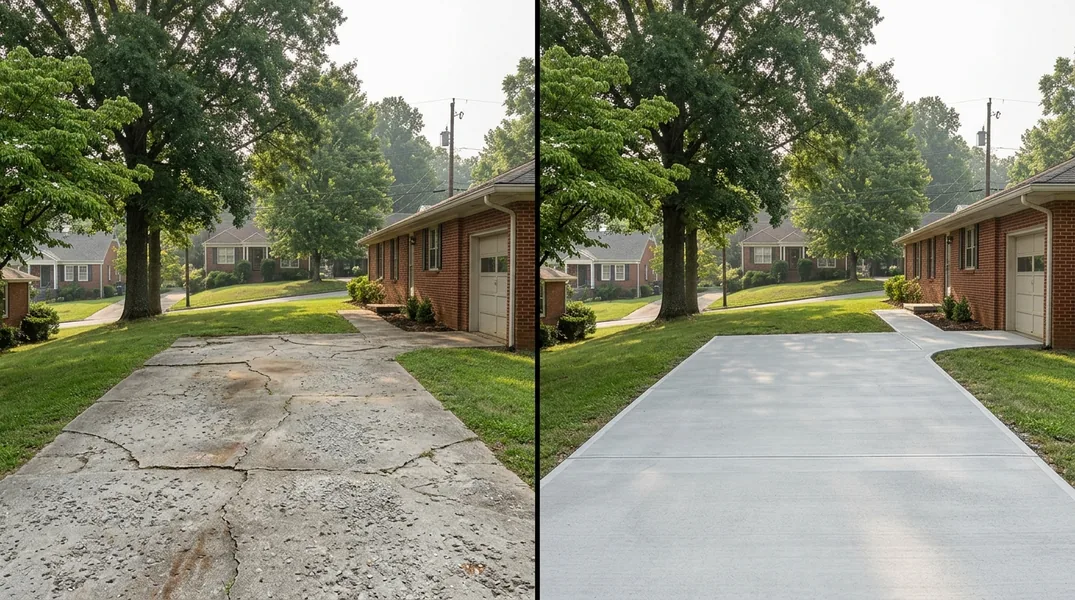
Why Timing Matters for Concrete Pouring in Knoxville
If you're planning to install Concrete Driveways or any other concrete project in Knoxville, you might think concrete can be poured anytime. The reality is far more nuanced. Temperature, moisture, and humidity all play critical roles in how your concrete cures and performs over the long term. Pouring at the wrong time of year can lead to cracking, weak spots, uneven settling, and premature deterioration that could cost you thousands in repairs down the road.
The concrete curing process is a chemical reaction that happens over time, and environmental conditions directly affect the speed and quality of that reaction. When temperatures are too cold, the curing process slows dramatically or stops altogether. When it's too hot and dry, concrete can cure too quickly, creating internal stress and surface cracks. Understanding when to pour concrete Tennessee contractors recommend will help you make the smartest investment in your home's exterior.
Spring: The Ideal Season for Concrete Work
Spring is widely considered the best time to pour concrete in Knoxville, and for good reason. As temperatures warm from the winter chill into the 50s to 70s Fahrenheit range, conditions become nearly perfect for concrete curing. The moderate temperatures allow the concrete to cure at a steady, controlled pace without the stress of extreme heat or cold. Moisture levels are also typically balanced during spring, which helps prevent both rapid evaporation and excessive water retention.
Spring also offers another advantage: you have the entire summer and fall ahead for the concrete to fully cure and harden before winter arrives. Most concrete projects benefit from at least 28 days of proper curing before heavy use or stress is applied. By starting in spring, you ensure your Concrete Patios, driveways, or other installations have plenty of time to reach full strength. Additionally, spring weather in Knoxville tends to be more predictable than other seasons, reducing the risk of unexpected rain or temperature swings that could compromise your project.
Fall: Your Second-Best Window for Concrete Pouring
If you missed the spring window, don't worry. Fall is your next best opportunity for a successful concrete installation. September through early November in Knoxville typically offers temperatures in the 50s to 70s Fahrenheit range, very similar to spring conditions. The cooling trend as summer fades actually works in your favor, as it slows evaporation and allows concrete to cure more evenly without the intense sun exposure of summer months.
One key advantage of fall pouring is that you're working toward winter curing rather than away from it. While this might sound counterintuitive, it actually means you can plan your project timeline more carefully. Fall concrete work gives you a solid window before the first hard freeze, typically occurring in late November or early December in the Knoxville area. As long as your concrete has adequate time to cure before temperatures drop below 40 degrees Fahrenheit consistently, you should be in good shape. Stamped & Decorative Concrete projects are especially popular in fall because the cooler weather allows contractors to work more precisely on finishing details.
Why Summer Heat and Winter Cold Are Problematic
Summer might seem like an obvious time to pour concrete, but the intense heat and low humidity of Knoxville summers actually create serious challenges for concrete curing. When temperatures consistently exceed 85 to 90 degrees Fahrenheit, water in the concrete evaporates too quickly. This rapid evaporation causes the concrete to cure unevenly, with the surface hardening much faster than the interior. The result is a weak, brittle surface prone to cracking and scaling. Additionally, summer heat can cause concrete to expand, and if it's not properly reinforced or finished, it may develop stress cracks that worsen over time.
Winter presents the opposite problem. When temperatures drop below 50 degrees Fahrenheit, the hydration process that allows concrete to cure essentially stalls. Below 40 degrees, concrete curing becomes dangerously slow, and if temperatures fall below freezing before the concrete has fully cured, water in the concrete can freeze and expand, causing internal damage and cracking. This is especially problematic in Knoxville, where winter temperatures can fluctuate dramatically. A warm day followed by a hard freeze can spell disaster for newly poured concrete. If you need concrete work during winter months, you'll need specialized techniques and materials, which increases pricing significantly and still carries higher risk.
Concrete Curing in Cold Weather: What You Need to Know
Understanding concrete curing cold weather challenges is essential if you're considering winter work. Professional contractors in Knoxville have techniques to pour concrete during colder months, but they require extra care and expense. These methods might include using heated concrete, adding accelerators to the mix, or protecting the concrete with blankets and heat lamps during the curing process. While these solutions work, they're considerably more costly than pouring during ideal spring or fall conditions.
If you absolutely must pour concrete during winter, the concrete needs to be protected from freezing temperatures for at least the first 24 to 48 hours after pouring, and ideally for several days. The concrete should reach a minimum strength threshold before being exposed to freeze-thaw cycles. Even with professional protection measures, winter concrete is more vulnerable to problems like scaling, spalling, and premature cracking. Most homeowners find it worthwhile to wait for better weather rather than pay premium prices for winter concrete work and accept the associated risks.
Planning Your Concrete Project: When to Call a Professional Near Me
Now that you understand the best times to pour concrete, it's time to plan your project strategically. If you're thinking about installing new Concrete Driveways or need Concrete Repair & Resurfacing, the ideal approach is to contact a qualified Knoxville concrete contractor during late winter or early summer. This gives you time to schedule the work during spring or fall when conditions are perfect. Waiting until the last minute to arrange concrete work often means you'll end up scheduling during suboptimal weather, which compromises quality and increases costs.
When you're ready to move forward, reach out to Knoxville Concrete Pros for a free estimate. Our team understands the unique climate challenges of the Knoxville area and can recommend the best timing for your specific project. We'll discuss your timeline, budget, and goals to create a plan that ensures your concrete investment lasts for decades. Call us at (865) 622-4794 to get started, or visit our website to learn more about our services and schedule your consultation today.
Looking for a professional concrete contractor in Knoxville? Knoxville Concrete Pros responds fast for all your concrete needs.
Get a Free QuoteOur services: Concrete Driveways · Concrete Patios · Stamped & Decorative Concrete